

Kinds Of Bariatric Aids
Weight problems is linked to a variety of health conditions consisting of type 2 diabetes, heart disease and hypertension. It can likewise cause increased wear and tear on joints and bones.
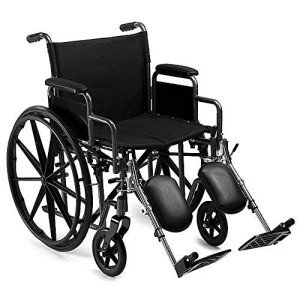
Bigger clients need specialised aids to guarantee their safety and convenience. Bariatric equipment is developed with tougher and larger frames to support much heavier users.
Wheelchairs
Many different type of disabilities can lead individuals to require wheelchairs. They consist of orthopedic injuries (such as breaks or fractures) and neuromuscular disorders like several sclerosis, cerebral palsy, and muscular dystrophy. A wheelchair is a crucial tool for those with mobility impairments to experience freedom, postural assistance, and self-reliance. There are different kinds of wheelchairs depending on the user's requirements, and some can even assist them stand up.
Wheelchairs can be manually-propelled or powered. Manually-propelled wheelchairs have big rear wheels and smaller front wheels that permit the user to push themselves from their seated position. They can likewise be pushed by others and navigated utilizing manages that are built into the frame of the chair. Some of these wheelchairs can also be equipped with reclining and tilt features.
Powered wheelchairs, on the other hand, are managed by an attendant and have controls that are integrated into the body of the chair. They can also be updated with a variety of accessories consisting of trays, cushions, armrests, and footplates. Some of these chairs can likewise be fitted with a vast array of front and rear caster outriggers, adjustable backrests, seat heights, and controls.
Another type of powered wheelchair is the specialized bariatric chair. These wheelchairs are developed for those with a higher weight capacity than standard chairs, which normally have an optimum weight limit of 250 to 300 pounds. These types of wheelchairs are frequently utilized for individuals who have a weight limit greater than this and have been identified with conditions like muscular dystrophy, spine injury, or hemiplegia.
Depending on the individual's needs, some wheelchairs might be covered by Medicaid. In Virginia, for example, the Department of Medical Assistance Services (DMAS) needs that medical practitioners obtain a seating and sizing examination from a licensed occupational or physiotherapist before buying a power wheelchair for their clients. However, brand-new regulatory assistance makes it possible for doctors to purchase a wheelchair straight from an enrolled provider without first getting this assessment. This permits the registered supplier to guarantee that the prescription fulfills DMAS requirements for reimbursement. This helps decrease wait times and hold-ups for patients.
Walking Aids
Walking aids such as walking sticks, crutches and walkers are utilized to help preserve and improve mobility and balance when an individual is unable to bear, or only partially bear, weight on their injured or weak leg. They are often recommended following surgical treatment, injury or as a brief term option during a recovery duration from disease. They can also be a long-term choice for individuals who are suffering from weak point or poor balance due to persistent health conditions such as diabetes, cardiovascular disease, weight problems or arthritis.
Using a strolling help is best prescribed by an experienced physio therapist who will assess the individual's abilities and threat factors, along with making sure the correct option of gadget to satisfy their particular needs. Getting this right is crucial as it will assist in maximising safety and effectiveness of use. It is likewise crucial that the Therapist discusses, demonstrates and instructs the person in the safe usage of their walking aid and that they follow up on routine basis to guarantee ongoing safety and optimal performance.
Physiotherapists can also assist in optimising using walking aids through a comprehensive rehab program which will improve strength and balance, to reduce the likelihood of falls. They can supply advice about the home environment to reduce fall danger, including eliminating throw carpets, electrical cords, food spillages and making sure stairs are clear and sufficiently large. They can likewise recommend on particular exercises to be done in conjunction with the strolling aids to assist with stability, posture and gait to decrease the risk of falling.
Bathing Aids
Bathing is an essential daily task that's important for preserving individual hygiene. However for elderly individuals or those with mobility problems, taking a bath can be a challenging endeavour. The worry of slipping on a damp floor or having problem standing up unaided can make individuals hesitant to shower, and even avoid it altogether.
Fortunately, there are bathing aids that can assist with these difficulties. These can be singular tools, or an entire set that includes whatever you need to bathe securely and conveniently. Whether you're experiencing aging problems, recovering from surgery or have a disability, these bathroom aids can considerably minimize the risk of injury to yourself or a carer whilst you perform this vital activity.
In one epidemiologic study, the existence of bathing aids was found to be connected with a lowered possibility of establishing bathing disability, operationalized as requiring assistance, in matched sets of people. Nevertheless, the bath seat was the only help to reveal such an association, and its result was attenuated after adjustment for confounders.
Among the most common reasons for falls for the senior and handicapped is within their own homes, and much of these take place throughout bathing and showering. These injuries can result in health center stays and even lead to a decrease in total mobility. To prevent this from taking place, there are a few easy changes that can be made to an individual's home to increase safety and lower the opportunities of falling.
Including bathing aids to your bathroom can be an excellent way to increase comfort and safety, so you can continue to live individually in your own home. If you're worried about the expense of these aids, then you might have the ability to gain from VAT relief on specific items if you have a medical condition which affects your mobility.
It's essential to seek advice from a healthcare expert or Occupational Therapist (OT) to comprehend which kind of restroom help is best for you. They'll have the ability to encourage you on how to use each item and offer you any further information you require. They can likewise refer you to an expert provider who can help you with sourcing and purchasing your bathing aids.
Transfer Aids
Clients whose bodies are too big for basic equipment/furniture frequently require specialised transfer aids. These devices remove the requirement for multiple caregivers to move clients and lower manual handling risks. However, bariatric high back wheelchair must be utilized thoroughly to prevent injuries. Caregivers should follow weight limitations and size guidelines to prevent equipment failures and tipping mishaps. Likewise, staff should inspect slings and equipment for damage between transfers to ensure that they are clean and appropriately sanitised before recycling them.
Sit-to-stand aids are a popular choice for bariatric clients as they permit the individual to actively take part in their transfer, and help to lower the amount of support needed from carers. Nevertheless, a clinical assessment ought to be carried out to confirm that the person has the ability to transfer themselves safely.
Ideally, the hospital needs to form a bariatric handling committee to make sure that all staff understand their function and duties in executing safe patient managing guidelines. This assists to ensure that slings and equipment are correctly fitted and used, which a client's requirements are examined early in their admission and routinely reviewed.